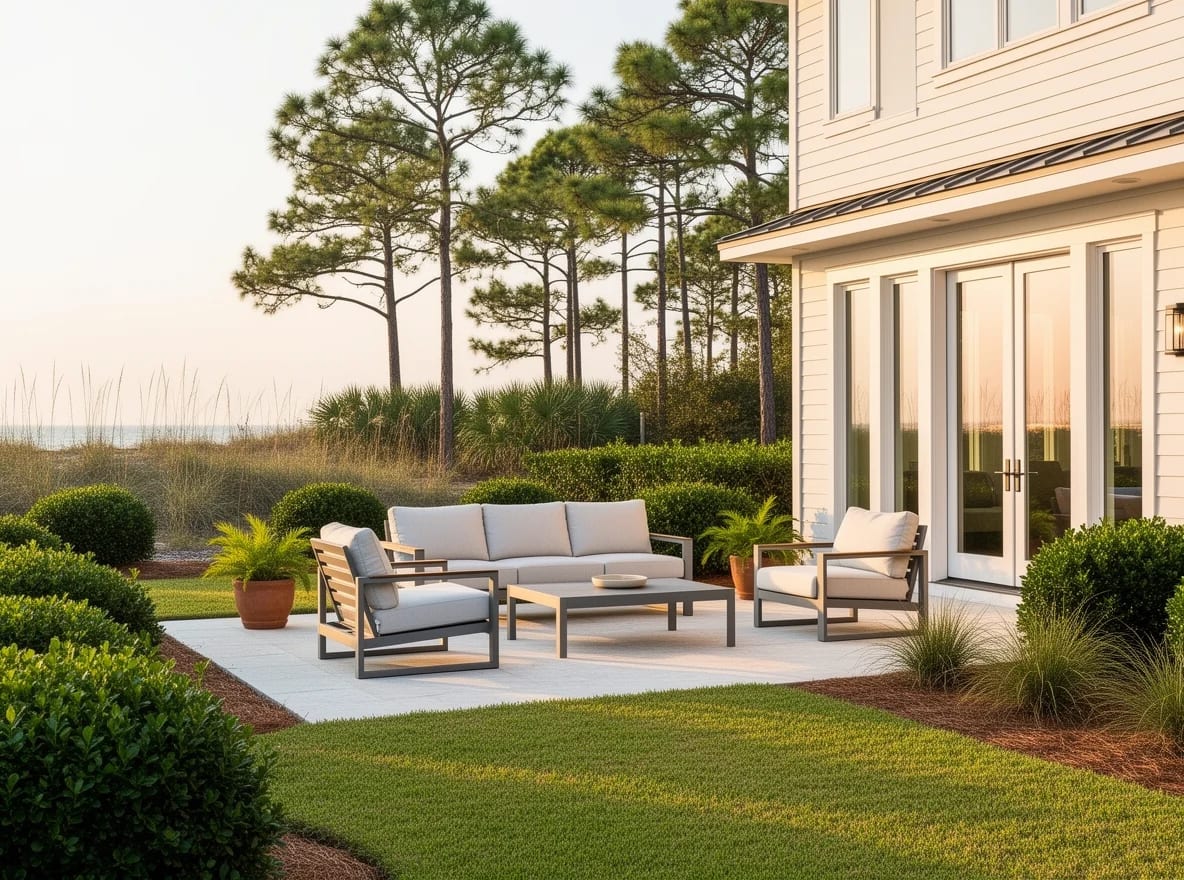


Choosing where to live in Santa Rosa Beach isn’t just about finding a great home—it’s about matching your day-to-day routine to the right stretch of 30A and the surrounding pockets. This guide is designed to help you narrow options based on lifestyle priorities, home styles, and practical ownership considerations.
If you’d like to compare neighborhoods with real listings, you can start here: Search listings.

Santa Rosa Beach at a glance
Santa Rosa Beach sits along Florida’s Emerald Coast and is often discussed in the same breath as Scenic Highway 30A. In practice, it’s a collection of distinct pockets—some closer to the Gulf, some tucked around bays and lakes, and others positioned for easier access to everyday errands and commuting routes.
For buyers, the appeal is the variety. You can find areas that feel walkable and village-like, quieter residential streets where the beach is a short drive or bike ride away, and neighborhoods that prioritize newer construction and low-maintenance living. The “right” fit depends less on a single label and more on how you want to spend your time: mornings on the water, evenings on a porch, quick access to dining, or a home base that supports remote work and weekend escapes.
Because Santa Rosa Beach includes a range of property types and community setups, it’s worth approaching your search with a simple framework—especially if you’re relocating and don’t yet have a feel for how each pocket lives day to day.
How to pick a neighborhood: a simple decision framework
When I’m helping buyers compare areas, I like to start with a few practical questions. They keep the search focused and help you avoid falling in love with a home that doesn’t match your routine.
1) Define your “must-have” access: beach, bay, or both
In Santa Rosa Beach, “close to the water” can mean different things. Some buyers want a short walk to the Gulf. Others care more about paddleboarding, boating access, or views and breezes. Decide what you’ll realistically use most often, then prioritize neighborhoods that support that lifestyle without forcing a long drive every time you want to get outside.
2) Map your real commute and weekly errands
Even if you’re buying a second home, you’ll still have a weekly rhythm: groceries, coffee runs, school drop-offs, gym time, or getting to the airport. Before you tour, identify your top destinations and test-drive the routes at different times of day when possible. A home that feels perfect on a quiet morning can feel very different when traffic patterns change.
3) Decide how much walkability matters to you
Walkability can mean “walk to the beach,” “walk to restaurants,” or “walk to a community green space.” If you want to leave the car parked most days, focus on pockets designed around paths, trails, and nearby amenities. If you’re comfortable driving, you may be able to expand your search and get more flexibility on home size, lot layout, or price point.
4) Understand HOA and community rules before you fall in love
Some neighborhoods have HOAs with architectural guidelines, landscaping standards, and rules around rentals, parking, and exterior changes. Others are more flexible. Neither is inherently better—it depends on your preferences.
- If you value consistency and shared upkeep: an HOA may align with your goals.
- If you want more freedom to customize: you may prefer areas with fewer restrictions.
- If you’re considering rental use: confirm any limitations early so you’re not surprised later.
5) Keep flood and insurance awareness in the conversation
Coastal ownership comes with practical considerations. Flood zones, elevation, drainage, and building features can affect both risk management and ownership costs. Rather than guessing, build time into your process to review available property disclosures, talk with your insurance professional, and evaluate the home’s storm-resilience features (roof age and type, impact-rated openings where applicable, drainage, and how the home is positioned on the lot).
My role is to help you ask the right questions early, so you can compare homes on more than just finishes and photos.
Popular pockets to explore
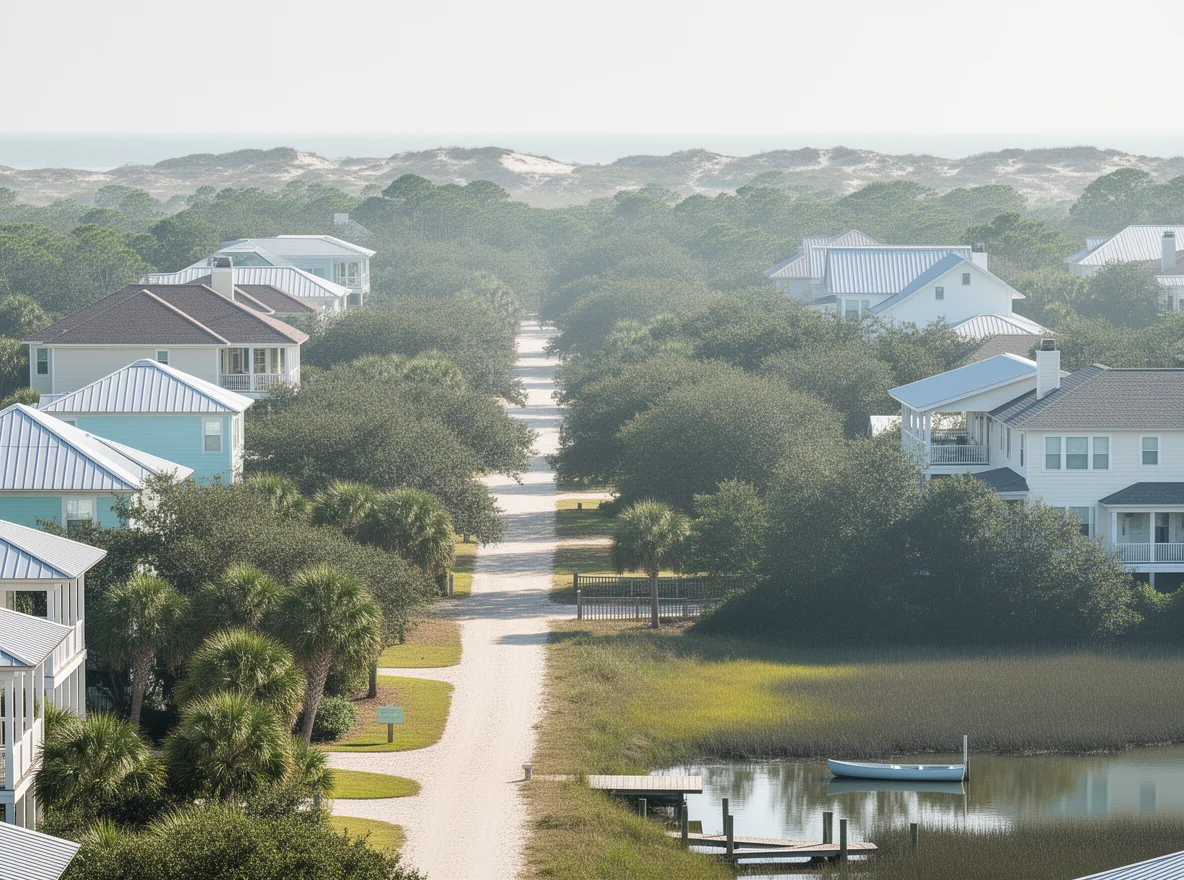
Santa Rosa Beach is often described by its well-known communities and nearby landmarks, but it helps to think in terms of “pockets” that share a similar feel. Below are a few broad categories to explore. These are intentionally general—availability changes, and the best match depends on your priorities.
Along 30A: village-style energy and easy access to dining and beaches
If you picture bike rides to coffee, quick trips to the beach, and a more “out-and-about” feel, the 30A corridor is where many buyers start. Housing here can range from coastal cottages to newer builds and townhome-style options, depending on the specific pocket. Expect a stronger emphasis on lifestyle convenience and proximity to amenities.
North of 30A: more breathing room and a residential rhythm
Just a bit inland, you’ll find areas that can feel more residential and practical for full-time living—often with easier access to everyday errands and main routes. Homes may offer different lot layouts, garages, and storage options that matter if you’re living here year-round or bringing beach gear and bikes.
Near the bay and coastal lakes: water-focused living beyond the Gulf
Some buyers are drawn to calmer water activities—paddling, kayaking, or simply enjoying a view that changes with the light. Pockets near the bay or coastal dune lakes can offer a different kind of waterfront experience. If this is your priority, it’s worth discussing how you plan to use the water so we can target the right access points and home features.
Low-maintenance communities: lock-and-leave convenience
If you travel often or want a second home that’s easier to manage, you may prefer neighborhoods or buildings that emphasize exterior maintenance, shared amenities, and simplified upkeep. These can be a fit for buyers who want more time enjoying the area and less time managing a property—while still being mindful of rules, fees, and what’s included.
When you’re ready, I can help you compare these pockets against your checklist and narrow to a short list of homes that truly fit. If you want to talk through your priorities first, use Contact Sean.
What home types you’ll see
One of the advantages of shopping in Santa Rosa Beach is the range of housing styles. Here’s what buyers commonly encounter, along with a few ownership considerations to keep in mind.
Coastal cottages and classic beach homes
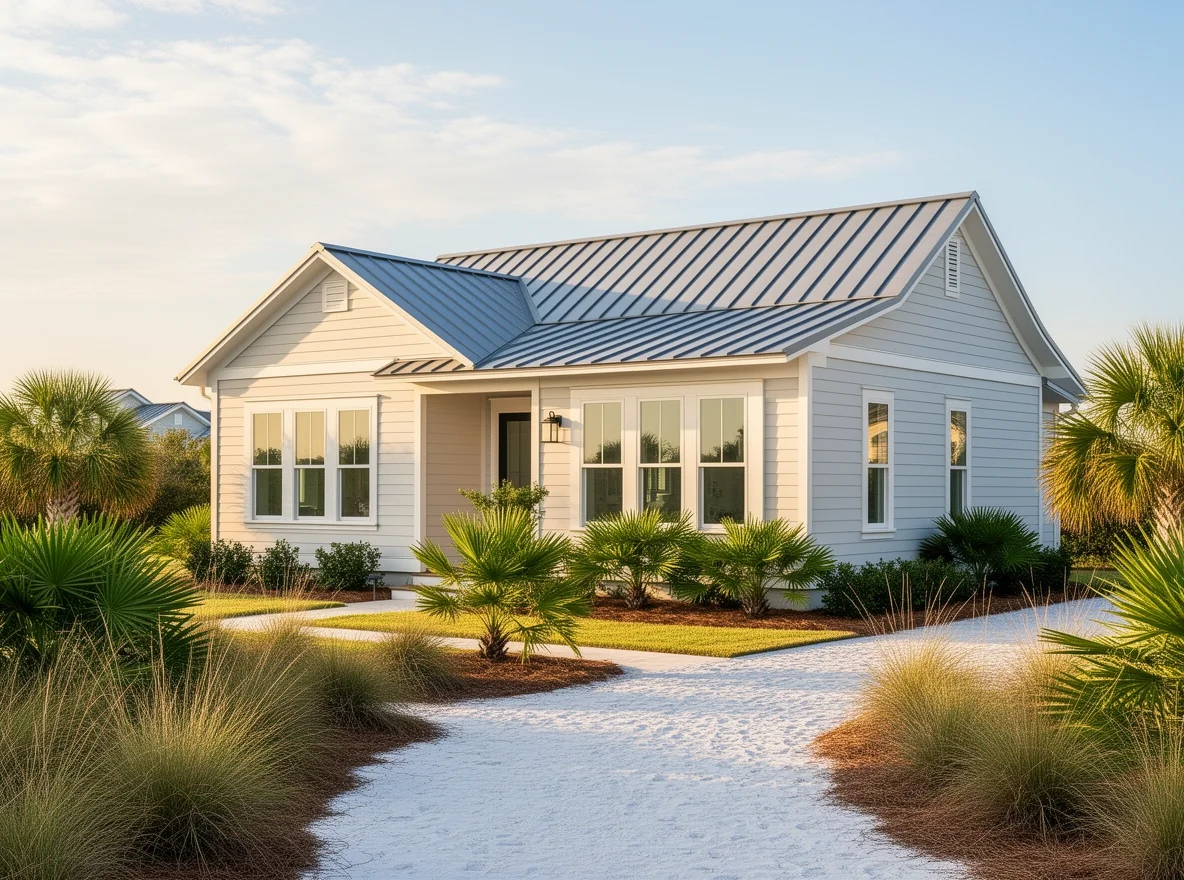
These homes often deliver the charm many buyers want—porches, coastal detailing, and a layout designed for relaxed living. Maintenance can vary widely depending on age, renovations, and proximity to salt air. If you’re considering an older home, it’s smart to pay attention to roof condition, exterior materials, windows/doors, and how the home has been maintained over time.
Newer builds and recent construction
Newer homes may offer modern floor plans, energy efficiency, and updated building standards. Even so, “new” doesn’t automatically mean “low maintenance.” Coastal conditions are demanding, so it’s still important to evaluate drainage, exterior finishes, and storm-resilience features. If you’re comparing multiple newer homes, look beyond the design package and ask about what’s behind the walls and under the roof.
Condos and townhomes
For buyers who want a simpler ownership experience, condos and townhomes can be appealing—especially if you prefer shared exterior maintenance and a lock-and-leave setup. The tradeoff is that you’ll want to review association documents carefully: what the dues cover, any rental or pet rules, how reserves are handled, and what maintenance responsibilities remain with the owner.
Across all home types, storm resilience is worth discussing early. Features like roof shape and materials, window/door ratings, elevation considerations, and water management around the property can influence both peace of mind and long-term upkeep planning.
Common buyer questions (FAQ)
1) How do I choose between being right on 30A versus a little inland?
Start with how you’ll use the home. If you want to walk or bike to the beach and dining most days, 30A proximity may matter more. If you prioritize quieter streets, easier parking, or a more residential feel, inland pockets can be a strong fit. The right answer is usually tied to your weekly routine, not just the map.
2) Are there neighborhoods that work well for a second home?
Many buyers look for low-maintenance setups, predictable upkeep, and easy access to the beach. The key is matching the community rules and maintenance structure to your goals. Before you commit, review association documents and confirm what’s handled for you versus what you’ll manage yourself.
3) What should I know about HOA rules before making an offer?
Ask early about architectural guidelines, parking, exterior changes, and any rental limitations if that’s relevant to your plans. HOAs can be helpful for maintaining shared standards, but you’ll want to be sure the rules align with how you intend to use the property.
4) How do flood zones and insurance considerations affect my search?
They’re part of the due diligence process in coastal Florida. Rather than relying on assumptions, review available disclosures, look at the home’s elevation and drainage context, and consult your insurance professional for property-specific guidance. This helps you make an informed decision without surprises later.
5) What home features matter most for coastal durability?
Buyers often focus on roof condition and type, window and door quality, exterior materials, and how water moves around the property during heavy rain. A good inspection and a careful review of maintenance history can help you understand what you’re taking on.
6) Should I start with listings online or talk to an agent first?
Both can work. Browsing helps you learn the market vocabulary and what different home types look like. A quick conversation can help you avoid mismatches—like focusing on areas that don’t fit your commute, or overlooking HOA rules that matter to you. If you want to browse now, you can Search listings.
7) How can I narrow down options if I’m relocating and can’t tour everything?
Use a priority list: beach access style, commute/errands, walkability, maintenance tolerance, and HOA preferences. From there, it’s easier to shortlist neighborhoods and then homes. Virtual tours and targeted showing days can be very effective when the search is organized around clear criteria.
Next steps
If you’re deciding where to focus in Santa Rosa Beach, I can help you translate your lifestyle goals into a practical neighborhood short list—and then match that to homes that fit your budget, maintenance preferences, and must-haves.
I’m D. Sean McBride with Coldwell Banker. I’m a native Floridian and a University of Florida graduate, and I bring more than two decades of real estate experience to helping buyers make confident, well-informed decisions—especially when the details (HOA rules, coastal upkeep, and location tradeoffs) matter.
When you’re ready, Contact Sean and tell me what “right fit” means for you. I’ll send a friendly, no-pressure short list of homes matched to your priorities so you can compare options efficiently.