



Relocating to Santa Rosa Beach is exciting—beach access, laid-back coastal living, and a wide range of home styles all in one stretch of the Emerald Coast. But buying near the water comes with its own set of practical considerations, so this guide is designed to help you tour smarter, ask better questions, and plan a clean path to closing.
As a native Floridian, and agent with over 20 years of experience, Sean McBride helps relocation buyers translate “vacation vibes” into a purchase that fits real life—commute, budget, and how you actually want to use the home.
A quick orientation to Santa Rosa Beach living
Santa Rosa Beach sits along Florida’s Scenic Highway 30A, where coastal neighborhoods blend beach access, nature trails, and a strong sense of place. If you’re relocating, the first step is understanding that “Santa Rosa Beach” can mean different day-to-day experiences depending on where you land—closer to the Gulf, tucked around a bay, or set back in a quieter residential pocket.
Many buyers fall in love with the lifestyle first: morning walks, quick beach runs, outdoor dining, and a calendar that naturally revolves around sunshine and salt air. The practical side is just as important. Your ideal home might be the one that balances beach proximity with the routines you’ll keep year-round—school drop-offs, grocery runs, remote-work reliability, and the kind of privacy (or community) you prefer.

Start with how you’ll use the home
Relocation buyers often begin with a map and end with a lifestyle decision. Before you tour, clarify a few “non-negotiables” that will shape your short list:
- Beach access style: walkable access, quick drive-and-park access, or occasional beach days.
- Daily rhythm: quiet mornings, social evenings, or a mix.
- Work and commute needs: reliable internet options, a dedicated office, and realistic drive times.
- Storage and gear: bikes, boards, beach chairs, and outdoor showers all change what “enough space” means.
If you want to browse what’s currently available while you narrow your criteria, you can Search listings and save a few favorites to compare side-by-side.
Coastal homebuying considerations
Coastal homes can be wonderfully livable, but they’re exposed to conditions that inland buyers may not be used to. The goal isn’t to be intimidated—it’s to be informed. A good purchase plan accounts for maintenance, insurance conversations, and inspection priorities without making assumptions about any specific property.
Humidity and salt air: what it means for ownership
In Santa Rosa Beach, moisture and salt air can accelerate wear on exterior finishes and metal components. That doesn’t mean a home is “bad”—it means you should pay attention to how the home has been maintained and what materials were used.
- Exterior hardware: look for corrosion on hinges, fasteners, railings, and outdoor fixtures.
- Paint and sealants: peeling paint, cracked caulk, and weathered trim can signal deferred upkeep.
- Outdoor living areas: decks, balconies, and stairs should feel solid with no soft spots.
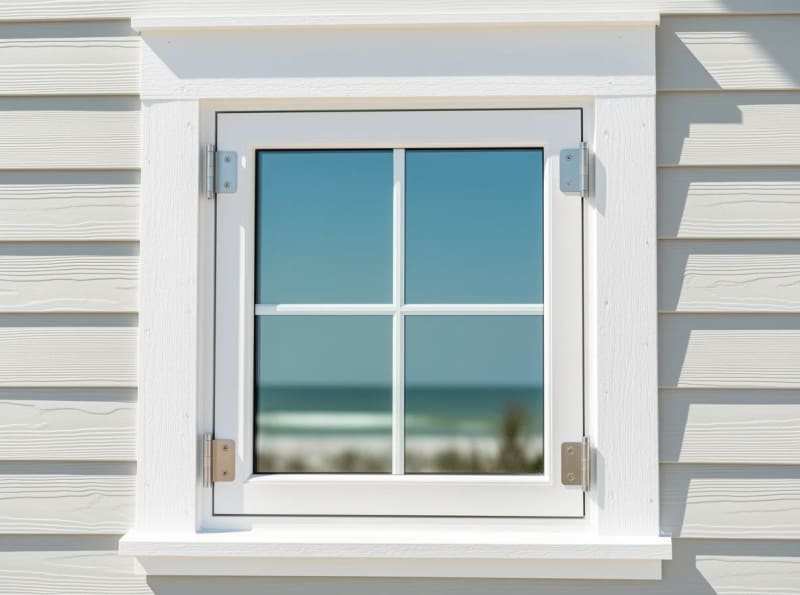
- Windows and doors: check for smooth operation and intact seals; salt air can be tough on tracks and hardware.
Roof age and condition: a big lever in coastal due diligence
Roof condition matters everywhere, but it’s especially important near the coast where wind-driven rain can find weak points. During tours, note the roof type and visible condition, then rely on professional inspection and documentation for the real story.
Helpful questions to ask (without assuming an outcome):
- What is the approximate age of the roof, and are there records of replacement or repairs?
- Are there any visible signs of patching, missing shingles, or uneven rooflines?
- Have gutters and downspouts been maintained to move water away from the home?
Wind mitigation concepts (in plain English)
You’ll hear the term “wind mitigation” in coastal Florida. It generally refers to construction features that can help a home perform better in high-wind events—things like roof-to-wall connections, roof shape, opening protection, and how the roof deck is attached. The right professional can document these features, and your lender/insurance conversations may reference them.
On a tour, you’re not trying to certify anything. You’re simply noting whether the home appears to have modernized elements (or room for upgrades) so you can ask the right follow-up questions during inspections.
Flood-zone awareness (without assumptions)
In a coastal area, flood-zone discussions are common. The key is to avoid guessing. A home’s flood risk profile can depend on elevation, drainage patterns, proximity to water, and mapping that can change over time. Your due diligence should include verifying the property’s current flood information through appropriate sources and discussing coverage options with qualified professionals.
Practical tour cues that can prompt good questions:
- How does the lot handle water after heavy rain?
- Are there visible low spots, standing water, or signs of past water intrusion?
- Is the home built on a raised foundation or designed with water management in mind?
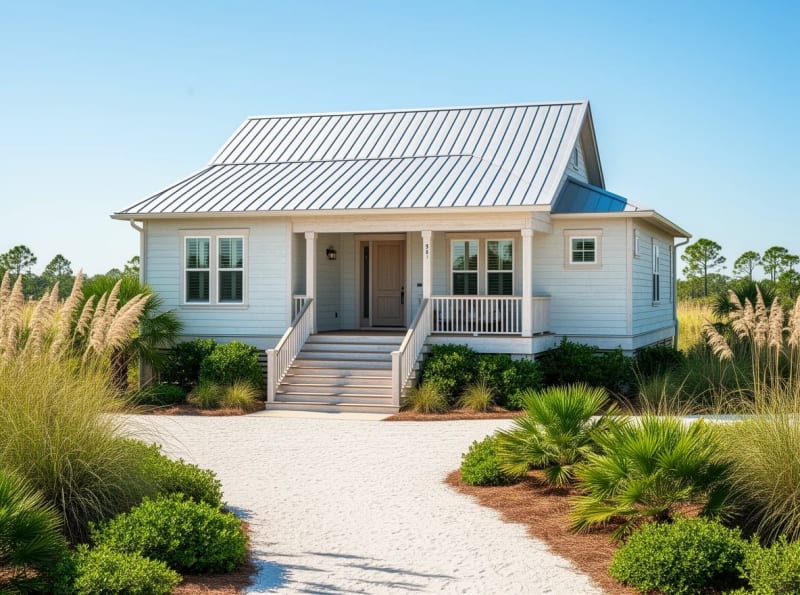
A coastal home inspection checklist (quick scan)
Use this as a tour-and-inspection planning checklist. It’s not a substitute for professional advice, but it helps you stay organized and consistent from home to home.
- Roof: visible wear, flashing condition, signs of past repairs, attic access for inspection.
- HVAC: age/servicing notes, corrosion on outdoor unit, airflow consistency, humidity control.
- Windows/doors: operation, seal condition, signs of moisture at sills, hardware corrosion.
- Exterior: siding/trim condition, caulking, paint, railings, decks/balconies for softness.
- Drainage: grading away from the home, downspout discharge, standing water, erosion.
- Plumbing: visible leaks under sinks, water heater age, shutoff access.
- Electrical: panel access, labeling, GFCI presence in appropriate areas.
- Moisture cues: musty odors, staining, bubbling paint, warped baseboards.
Financing and timeline basics
Relocation purchases go smoother when financing and timing are planned early—especially if you’re coordinating a move, a lease end date, or a job start. The notes below are general education, not legal or financial advice. Your lender and closing professionals will guide the specifics for your situation.
Pre-approval: more than a checkbox
A solid pre-approval helps you shop with confidence and can make your offer cleaner. It also helps you set realistic boundaries around monthly payment comfort, cash-to-close expectations, and how much flexibility you have for repairs or upgrades after closing.
If you’re relocating, consider discussing:
- How your employment and income documentation will be handled if you’re changing jobs or working remotely.
- Whether you want to reserve funds for post-close improvements common in coastal ownership (paint, hardware upgrades, dehumidification, landscaping).
- How quickly you can order an appraisal and schedule inspections once under contract.
Escrow and inspections: plan your calendar early
Once you’re under contract, the timeline can feel fast—especially if you’re traveling in for inspections. A good plan is to identify your preferred inspection window and travel dates before you write an offer, so you’re not scrambling later.
Common steps you’ll likely coordinate:
- Home inspection: general condition, safety items, and maintenance priorities.
- Specialty inspections (as appropriate): roof, HVAC, moisture/mold evaluation, or other specialists depending on the home.
- Appraisal: ordered by the lender; timing varies.
- Final walkthrough: confirm the home’s condition before closing.
Relocation-friendly strategy: reduce decision fatigue
When you’re buying from out of town, it’s easy to tour too many homes and lose clarity. A practical approach is to narrow to a short list of neighborhoods and a tight set of “must-haves,” then tour in a structured way. If you’d like, D. Sean McBride (Coldwell Banker) can help you build a focused shortlist based on commute, budget, and beach access preferences—so your in-person trip is efficient and your decisions are grounded.
How to tour homes like a local
Photos can hide the details that matter in coastal ownership. Touring like a local means looking past staging and focusing on how the home handles water, air, and wear over time. You don’t need to be an expert—you just need a repeatable process.
Drainage and grading: watch where water wants to go
After a heavy Florida rain, water will reveal a lot. Even on a sunny day, you can look for clues:
- Does the yard slope away from the foundation?
- Are downspouts directing water away from the home?
- Do you see erosion channels, washed-out mulch, or low spots?
- Is there staining on exterior walls near the ground?
HVAC and humidity control: comfort is a system
In coastal Florida, comfort isn’t just temperature—it’s humidity. During a tour, notice how the home feels and smells. A home can look perfect and still need better moisture management.
- Is the indoor air crisp or clammy?
- Do closets or laundry areas smell musty?
- Is there visible condensation on vents or windows?
- Where is the thermostat located, and does the layout support even airflow?
Windows, doors, and exterior wear: small details, big signals
Coastal wear often shows up first in the “edges” of a home—openings, corners, and exterior transitions.
- Windows: open/close a few; check for fogging between panes and soft wood at sills.
- Doors: look for swelling, sticking, or daylight around seals.
- Trim and caulk: cracked caulk and exposed end-grain can invite moisture.
- Balconies/decks: feel for bounce, listen for squeaks, and look for staining below.
Tour tip: take consistent notes
Relocation buyers benefit from consistency. Take the same five photos at every home (front, back, HVAC unit, electrical panel area, and a bathroom vanity/plumbing view if accessible) and write down the same quick notes (roof type, HVAC age if known, drainage impressions, and any moisture cues). This makes it easier to compare homes objectively later.
FAQ for new-to-the-area buyers
1) Is Santa Rosa Beach more of a full-time community or a second-home area?
It can be both, depending on the neighborhood and proximity to the beach. Some pockets feel quieter and residential, while others have a more vacation-oriented rhythm. Your best fit comes down to how you want your day-to-day to feel.
2) How close to the beach should I buy?
“Close” is personal. Some buyers prioritize a short walk; others prefer a bit more space and a calmer setting with a quick drive to access points. Think about how often you’ll actually go, what you’ll carry, and whether you want to bike, walk, or drive.
3) What should I expect for maintenance near the coast?
Plan for more frequent exterior touch-ups than you might be used to inland—especially for metal components, paint, and seals. A well-maintained home can handle coastal conditions well, but it’s wise to budget time and attention for upkeep.
4) Do I need special inspections because it’s coastal?
Many buyers choose to add specialty evaluations depending on the home’s age, construction, and visible condition—roof, HVAC, moisture-related concerns, and other items your inspector may recommend. Your goal is clarity, not perfection.
5) How do I think about flood information without jumping to conclusions?
Use verified sources and professionals to understand the property’s current profile and your options. Avoid assumptions based on distance-to-water alone; elevation and drainage patterns can matter, and mapping can change.
6) Can I buy while living out of state?
Yes, many relocation buyers do. The key is planning: align your lender, inspection schedule, and travel windows early, and keep your search criteria tight so decisions don’t get delayed by too many options.
7) What’s the smartest way to narrow neighborhoods if I’m new to the area?
Start with your daily needs (commute, errands, quiet vs. social), then layer in beach access preferences. If you share your priorities, D. Sean McBride can help you compare areas in a practical way and build a shortlist that fits your routine.
8) Where should I start if I’m just exploring?
Begin by browsing inventory and saving a few homes that match your ideal layout and location. You can Search listings anytime, then refine your list based on what you learn from tours and inspection conversations.
Next steps
If you’re relocating and want a plan that respects your timeline, I can help you simplify the process. D. Sean McBride (Coldwell Banker) can build a short list of Santa Rosa Beach options based on your commute needs, budget range, and beach access preferences—then map out a tour strategy that makes your trip count.
Contact us to share what you’re looking for (ideal move date, must-have features, and how you want to live day-to-day), and I’ll reply with a focused next-step checklist and a curated set of homes to review.