



Selling in Santa Rosa Beach is rarely about one big decision—it’s a series of small, practical choices that reduce friction for buyers and keep your timeline predictable. Below is a clear, seller-focused plan D. Sean McBride (Coldwell Banker) uses to help homeowners move from prep to closing with fewer surprises.
If you’d like, Sean can walk your home with you and outline a custom prep-and-pricing approach based on your property’s condition, location, and likely buyer expectations.
What Santa Rosa Beach buyers notice first
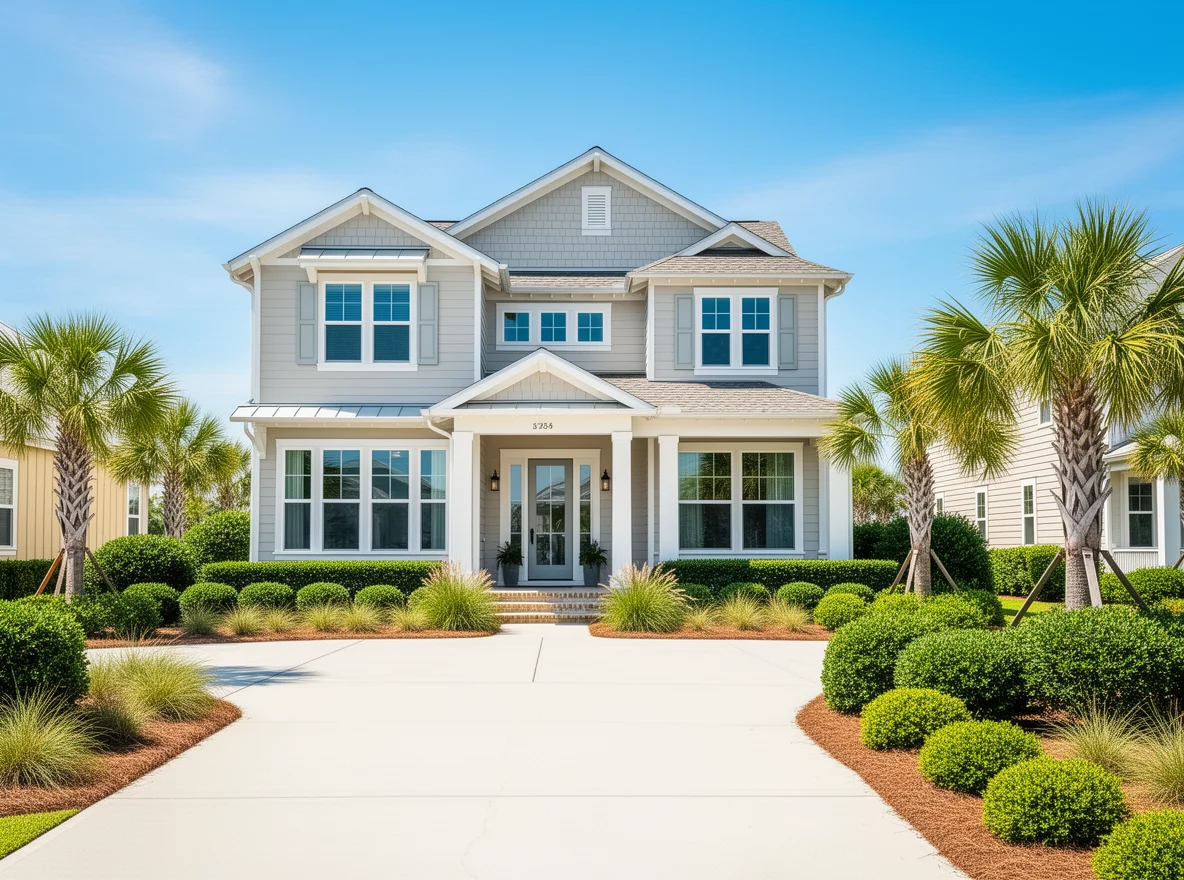
Most buyers decide how they feel about a home within minutes. In Santa Rosa Beach, that first impression is shaped by a mix of coastal lifestyle expectations and practical “ownership cues.” Even when buyers love the area, they still look for signs that a home has been cared for—and that it will be easy to live in from day one.
Condition and cleanliness are the fastest tells. Buyers notice floors, baseboards, windows, and bathrooms because those areas signal how the rest of the home has been maintained. A clean, neutral presentation helps buyers focus on the layout and natural light rather than a to-do list.
Maintenance cues matter just as much as finishes. Buyers often look for evidence of routine upkeep: filters changed, drains flowing, doors closing properly, and fixtures working as expected. In coastal environments, they may also pay attention to corrosion, exterior wear, and any musty odors that suggest moisture issues.
Outdoor spaces carry extra weight here. Even modest patios, porches, balconies, and yards can feel like “bonus living space” when they’re tidy and staged with intention. Buyers notice whether outdoor areas feel private, usable, and easy to maintain.
Quick reality check: buyers don’t need perfection
Buyers can accept a home that isn’t brand-new. What they struggle with is uncertainty—unfinished projects, unclear maintenance history, or visible issues that make them wonder what else is hiding. Your goal is to present a home that feels straightforward to own.
Prep checklist: high-impact, reasonable-effort items
Prep doesn’t have to mean a full renovation. The best return on effort usually comes from addressing the items that affect showings: cleanliness, light, flow, and confidence in the home’s upkeep. Sean’s approach is to prioritize what a buyer will notice during a 15–30 minute tour and what an inspector is likely to flag later.
Exterior and entry (first 30 seconds)
- Pressure wash walkways, driveway, steps, and exterior surfaces where safe and appropriate.
- Landscaping tune-up: trim shrubs, edge beds, remove weeds, refresh mulch, and clear debris.
- Front door and hardware: clean, tighten, and touch up paint as needed; ensure the lock and handle feel solid.
- Lighting check: replace bulbs, clean fixtures, and confirm exterior lights work consistently.
- Outdoor living areas: sweep, declutter, and arrange seating to show how the space can be used.
Interior presentation (showing flow and comfort)
- Paint touch-ups on scuffs, door frames, baseboards, and high-traffic walls; keep colors simple and cohesive.
- Lighting and brightness: open blinds, clean windows, and use matching bulb temperatures so rooms feel consistent.
- Declutter surfaces (kitchen counters, bathroom vanities, nightstands) to make rooms feel larger and easier to live in.
- Fix the “small no’s”: sticky doors, loose handles, squeaky hinges, dripping faucets, missing outlet covers.
- Odor control: address the source (trash, drains, pet areas) rather than masking with heavy fragrances.
Mechanical confidence (reduce inspection surprises)
Buyers may not be experts, but they do pay attention to whether a home feels maintained. A simple, documented maintenance rhythm can reduce friction later.
- HVAC servicing: schedule routine service and keep any receipts or service notes available.
- Replace filters and ensure vents are clean and unobstructed.
- Test basics: smoke/CO detectors (if applicable), ceiling fans, exhaust fans, and GFCI outlets.
- Water-related checks: look for slow drains, minor leaks under sinks, and signs of past moisture.

How to decide what to do (and what to skip)
If you’re unsure where to start, focus on items that (1) improve first impressions, (2) remove obvious objections, and (3) make the home easier to show. If you want a second set of eyes, Contact Sean to request a prep walkthrough tailored to your home.
Pricing strategy basics (without guesswork)
Pricing is where preparation and market reality meet. The goal isn’t to “pick a number and hope”—it’s to choose a price range that matches what buyers will compare your home to, then support that price with condition and presentation.
Start with the right comparable set
Comps should be similar in location, size, style, and overall appeal. In Santa Rosa Beach, small differences—street-to-street, proximity to amenities, or the feel of the immediate surroundings—can change buyer perception. A strong pricing conversation begins with a clean set of recent, relevant sales and active competition.
If you want to browse what buyers are seeing right now, use Search listings to review current inventory and get a feel for how homes are positioned.
Adjust for condition and “showing experience”
Two homes can have the same square footage and still compete in different lanes. Buyers often pay for a home that feels turnkey, bright, and well-maintained—because it reduces their mental load. If your home needs visible updates or has deferred maintenance, pricing should reflect that reality in a way that feels credible to buyers and their agents.
Timing considerations (without predicting the market)
Instead of trying to forecast the market, focus on controllables: your readiness, your showing availability, and how your home compares to what’s currently for sale. A well-prepared home that’s easy to tour tends to generate cleaner feedback, which helps you make better decisions quickly.
Marketing that moves the needle
Marketing isn’t just “getting it online.” It’s about presenting the home clearly, reducing uncertainty, and making it easy for serious buyers to take the next step. The best marketing supports your pricing strategy by showing buyers why your home belongs in its competitive set.
Photography that matches the buyer’s decision process
Photos should tell a simple story: exterior approach, main living areas, kitchen, primary suite, secondary rooms, bathrooms, and outdoor spaces. Clean lines, consistent lighting, and accurate color help buyers trust what they’re seeing. If a feature is a selling point (porch, patio, storage, garage), it should be shown intentionally—not as an afterthought.
Staging: clarity over decoration
Staging doesn’t have to be elaborate. The purpose is to define spaces and help buyers understand scale. A few well-placed pieces can make a room feel functional and calm. The key is consistency: fewer items, cleaner surfaces, and a layout that makes it easy to walk through.
A showing plan that protects your time and the home
- Make access simple: clear instructions, reasonable windows, and a predictable process for agents.
- Keep it “show-ready”: a short daily reset routine (beds, counters, floors, trash) reduces stress.
- Document what matters: a simple list of updates, service history, and key features helps answer questions quickly.

Offer review: terms that matter
Price matters, but terms often determine how smooth (or stressful) the transaction feels. When you receive an offer, it helps to evaluate it like a risk-and-reliability checklist—not just a headline number. This is general information, not legal advice; for contract interpretation, consult the appropriate professionals.
Financing strength and proof of funds
Look for clarity: the type of financing, the down payment, and whether the buyer has provided documentation that supports their position. A strong offer typically reduces uncertainty around the buyer’s ability to close.
Inspection timeline and repair expectations
Inspection periods set the tone. Shorter isn’t always better if it creates rushed decisions, but overly long timelines can add uncertainty. What matters is whether the timeline is workable and whether expectations are reasonable. A well-prepped home with documented maintenance can help keep negotiations focused.
Appraisal risk and how it’s handled
If the buyer is financing, the appraisal is part of the process. Consider how the offer addresses the possibility of an appraisal coming in below the contract price. The goal is to understand the plan up front so you’re not surprised later.
Other practical terms sellers often overlook
- Requested closing date and how it fits your move-out plan
- Contingencies and deadlines (and whether they’re realistic)
- Items included/excluded (appliances, fixtures, outdoor items)
- Access for inspections, appraisal, and final walkthrough
Common seller questions (FAQ)
1) Do I need to renovate before listing?
Not usually. The best approach is targeted: address visible wear, deferred maintenance, and anything that distracts during showings. Sean can help you prioritize prep items that improve buyer confidence without turning the process into an open-ended project.
2) What should I fix versus disclose?
Every situation is different. In general, sellers aim to reduce obvious objections and safety concerns while being transparent as required. For guidance on disclosures and legal obligations, consult the appropriate professionals; your agent can help you think through practical next steps and documentation.
3) How do I know if my price is competitive?
A competitive price is supported by recent comparable sales, current active listings, and a realistic view of your home’s condition and presentation. Reviewing active competition via Search listings can help you see what buyers will compare you to right now.
4) Should I allow showings on short notice?
If you can, flexibility helps—buyers often tour in tight windows. That said, a good showing plan balances access with your schedule. The goal is to avoid missed opportunities while keeping the home consistently presentable.
5) What happens after we accept an offer?
Typically you’ll move into the contract-to-close phase: inspections, any negotiations, appraisal (if financed), title work, and final walkthrough. Clear communication and meeting deadlines are key to keeping things smooth.
6) How do I handle inspection negotiations without derailing the deal?
Start by separating major issues from minor preferences. A calm, documented approach helps: understand what’s being requested, what’s reasonable, and what aligns with the home’s condition and price. Your agent can help you evaluate options and keep the conversation productive.
7) Can I stay in the home until closing?
Often yes, but logistics matter—showing readiness, move-out timing, and any agreed possession terms. Plan early so you’re not making rushed decisions late in the process.
Next steps
If you’re considering selling in Santa Rosa Beach and want a practical plan—not guesswork—D. Sean McBride with Coldwell Banker can provide a custom prep-and-pricing walkthrough. You’ll get clear priorities for show-ready improvements, a comps-based pricing conversation, and a straightforward path from listing to closing.
Contact Sean to schedule a seller consult and get a tailored checklist for your home.